The author only shows part of the story or leaves out important facts. You will need to read several texts in order to get the whole picture
Source style: Local Canadian news (e.g., CBC Calgary community report)
Headline:
“Calgary School District Introduces Longer Recess — Students Celebrate!”Article mentions:
✔ Students get 15 extra minutes outside
✔ Teachers say fresh air improves learningMissing information:
✘ Shorter lunch time
✘ No extra supervision staff
✘ Some parents concerned about winter weatherKey Questions:
- What information is missing?
- Does leaving things out change how we feel?
2. Bias by Placement
Where or how prominently a story or information appears, shows how important it is.
Source style: Canadian national news site
Top headline (large photo):
“Toronto Maple Leafs Win Big in Season Opener!”Small bottom corner headline:
“Northern Manitoba Community Still Without Clean Drinking Water”Key Questions:
- Which story seems more important?
- Does placement influence what people click?
3. Bias by Word Choice
Using emotional or opinion-filled words influence how readers feel about the story or information.
Topic: Vancouver bike lane expansion
Headline A:
“Vancouver Improves Streets with New Bike Lanes”Headline B:
“Vancouver Removes Parking and Frustrates Drivers with Bike Lanes”Key Questions:
- Which headline sounds more positive?
- Which words show opinion?
4. Bias by image
Pictures - the color, the angle, the shadows - influence how we feel or what we believe.
Example Media Sample: Protest Coverage in Ottawa
Image A:
Peaceful crowd holding signs, smiling families
Image B:
Close-up of one angry protester yellingBoth photos are from the same event.
Key Questions:
Which photo makes the protest seem calm?
Which makes it seem aggressive?
Activity: Bias Detectives
Divide students into small groups.
Give each group one media sample (printed or projected):
Sample Set Ideas
Short news paragraph missing key information
Screenshot of webpage with story placement differences
Two headlines using different word choices
Two contrasting photos of same situation
Group Task:
Students answer:What type of bias is this?
What clues helped you decide?
How might this influence people?
Groups share findings.
Independent Activity:
Students create their own biased media example.
Choose one:
✔ Write two different headlines about the same event
✔ Draw two images showing different perspectives
✔ Write a short news paragraph that leaves something outLabel the type of bias used.
Exit Ticket:
Students respond:
What is media bias?
Name one type of bias and explain it.
Why is it important to recognize bias?
Extension Ideas:
- analyze real advertisements
- Compare two news sources covering the same story
Media Messages: Fact or Bias?
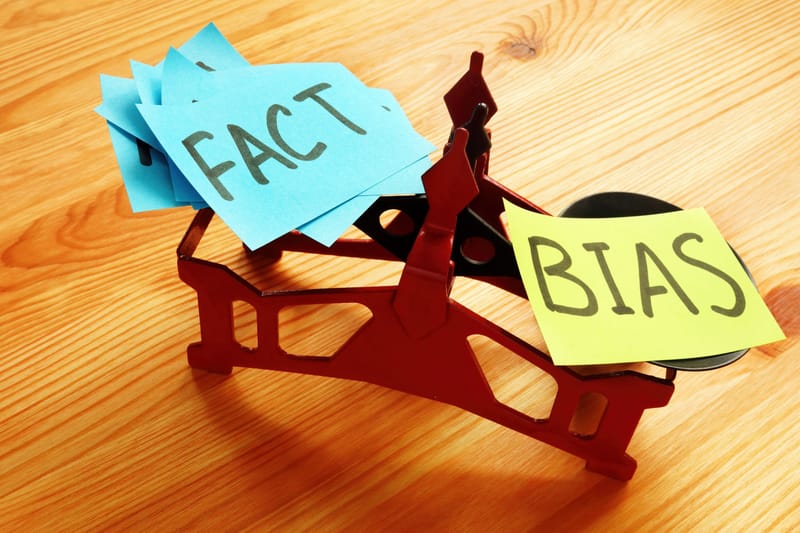
ELAL Learning Outcomes (Knowledge) - Bias is the favouring of one thing, person, or group over another, usually in a way that is considered to be unfair. (Skills and Procedures) Consider whether an author or a text creator presents information with or without bias.
This lesson introduces Grade 6 students to the concept of bias. It explores four different types of bias and provides Canadian examples of each. Students then examine a variety of media samples to identify the types of bias present and explain the evidence that helped them recognize them.
Lesson:
Objectives: Students will define bias in media. Students will be able to identify 4 types of bias: bias through selection or omission, bias by placement, bias by word choice, and bias by image. They will analyze media samples to determine how bias is communicated. Students will explain how bias can influence what people think or believe.
Key Vocabulary:
Bias – Favoring one side, idea, or perspective over another
Media – News, social media, advertisements, videos, websites, etc.
Omission – Leaving something out
Discussion:
Ask students:
👉 If two people watch the same event, can they describe it differently? Why?
Show two short descriptions:
Description A:
“The game was exciting and full of incredible plays by the home team.”
Description B:
“The game was frustrating, with many mistakes by the visiting team.”
Key Questions:
Are both true?
Do they feel different? Why?
Which sounds more positive?
Explain:
That difference is bias.
Definition: What is Media Bias?
Media bias happens when information is presented in a way that favors one viewpoint or leaves out important information.
1. Bias through selection or omission